
Amyotrophic Lateral Sclerosis (ALS) is a progressive neurological disease that affects the motor neurons responsible for voluntary muscle control. Over time, muscles weaken and atrophy, eventually impacting speech, movement, swallowing, and breathing.
The condition does not affect the heart or digestive system directly, and sensory functions and intellect often remain intact. Cognitive changes may occur in some cases, but many patients preserve their mental clarity throughout the illness.
ALS is not contagious, and its exact cause is still unknown. About 90% of cases are sporadic, while 10% are inherited. The disease can begin in the limbs or with speech and swallowing difficulties.
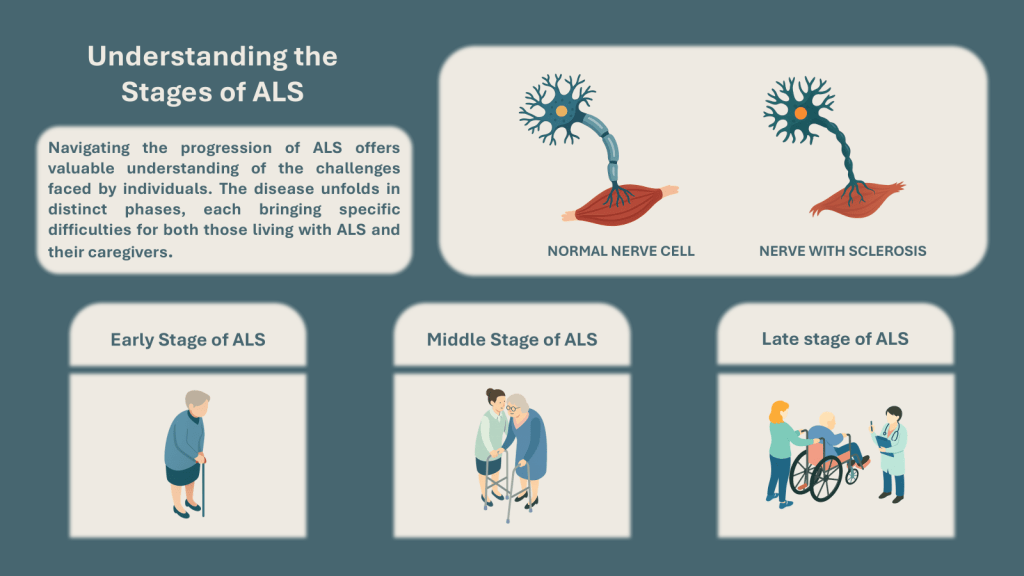
Symptoms and progression vary widely. Some people live only a few years after diagnosis, while others live much longer. Average survival is around 33 months, but patients are encouraged not to focus on statistics—every journey is unique.
There is currently no cure, but medical care and assistive technology can greatly improve quality of life. Multidisciplinary support—including physiotherapy, speech therapy, and respiratory care—can help manage symptoms and maintain independence.
Efforts around the world are ongoing to find better treatments. Clinical trials, genetic research, and patient-centered innovation are bringing new hope.
Above all, ALS does not define a person. Many patients remain active, creative, and deeply engaged with loved ones and their communities. With the right care and support, meaningful moments remain possible at every stage.
ALS is rare but not invisible—raising awareness helps fund research and improves care. Through knowledge, compassion, and resilience, we move closer to a future without ALS.
 ALS/SLAxelle world